Unseasonably warm and mostly dry weather in early March significantly accelerated the development of winter crops and the start of spring fieldwork in Ukraine, ProAgro Group reports.
According to the Ukrainian Hydrometeorological Center, average daily air temperatures exceeded the norm by 2–6°C, reaching levels typical for late March. Similar weather patterns were observed in 2023 and 2024, while 2020 remains the warmest on record.
During the first ten days of March, weather conditions were shaped by a high-pressure system, resulting in a precipitation deficit. Only light and localized precipitation in the form of wet snow, rain, and drizzle was recorded, mainly in western and eastern regions.
The sharp temperature increase led to an early transition of average daily temperatures above +5°C between March 3 and 10 – approximately 2-3 weeks earlier than the long-term average.
These conditions contributed to the gradual resumption of vegetation in winter crops and the activation of spring processes. In southern regions, higher temperatures also caused the upper soil layers to dry and warm up, allowing farmers to begin selective fieldwork.
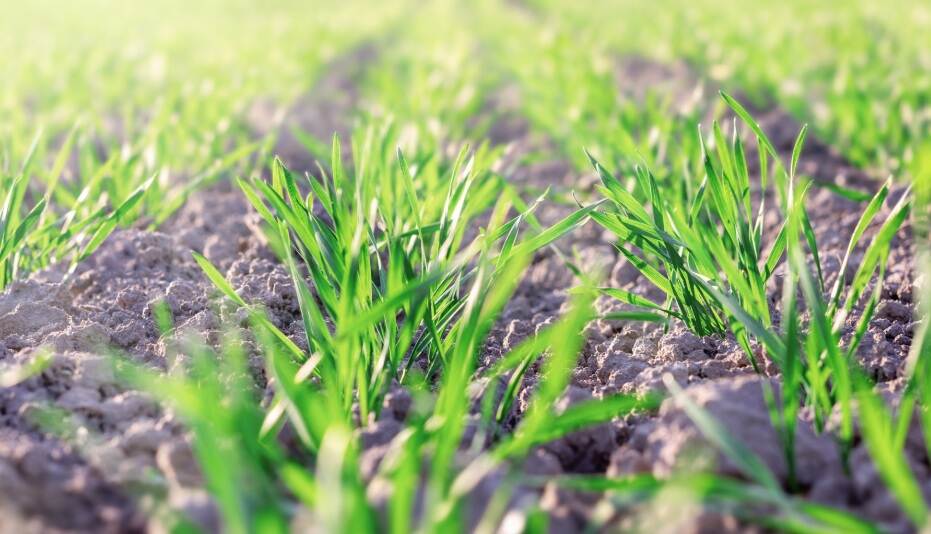
As of March 10, winter crops – including rye, wheat, and barley – had resumed vegetation in southern regions and in some western areas. Crops were observed in stages such as tillering, nodal root formation, and the third leaf stage, while some areas still showed early emergence.
Overall, the condition of winter crops is assessed as predominantly good. However, in some areas, crops remain in a state of shallow winter dormancy, consistent with current agrometeorological conditions.
Earlier reports indicated that severe winter frosts did not cause significant damage to winter crop seedlings.